Why Is Crypto So Volatile? Understanding Cryptocurrency Price Swings
Crypto prices change like London weather. Learn how supply, demand, whales, leverage, and sentiment drive volatility.

lofi
Crypto Volatility in a Nutshell (TL;DR)
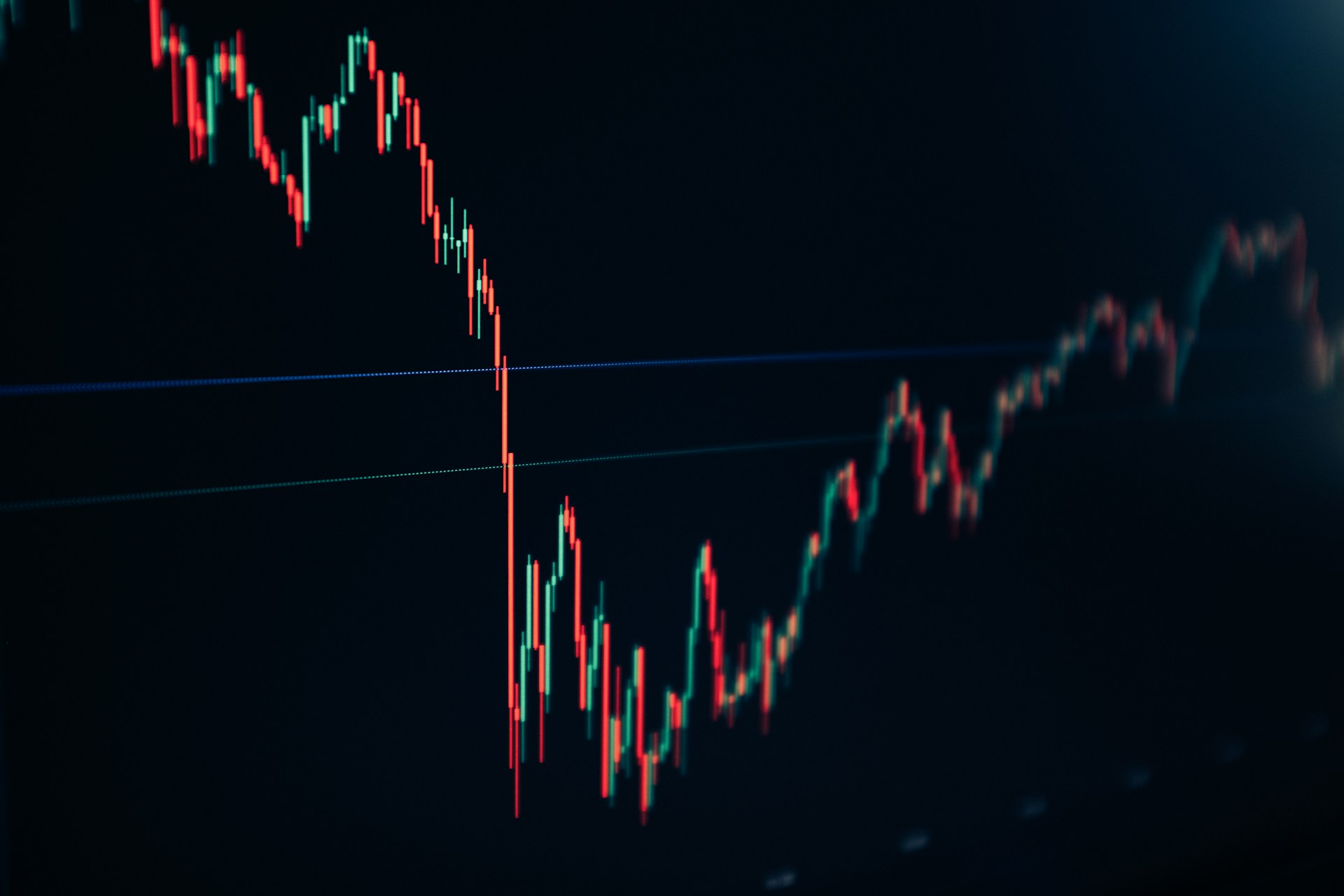
Crypto prices move fast because the market is still small, emotional, and driven by speculation. A single tweet, a whale selling, or a regulatory headline can swing prices 20% in hours. Unlike stocks or gold, there's no earnings report or central bank stabilizing things. It's pure supply, demand, and sentiment playing out in real time. That's what makes it exciting and dangerous at the same time.
Key takeaways -
1. Crypto is volatile because the market is still small one big player selling can move prices in ways that would never happen in stocks or gold
2. Leverage trading makes crashes worse when prices drop, forced liquidations create a chain reaction that pushes prices even lower, fast
3. Sentiment drives crypto more than fundamentals, a single tweet has moved Bitcoin's price. That's the market you're dealing with, know that before you enter
Understanding Crypto Price Volatility: Why Prices Move So Fast
If you have ever tracked the price of Bitcoin or any other crypto asset, you have likely noticed how quickly things can change. One day prices are soaring, and the next day they are falling sharply. This rapid movement is known as crypto price volatility, and it is one of the most defining features of the cryptocurrency market.
For new investors, this can feel confusing or even risky. But for experienced participants, volatility is not unusual. In fact, it is expected. To truly understand crypto, you need to understand why these price fluctuations happen. This article breaks down crypto price volatility in a simple, clear way, supported by real examples, market data, and practical insights.
1. What Crypto Price Volatility Means
Volatility refers to how much and how quickly the price of an asset changes over time. In traditional finance, assets like stocks or gold usually move gradually. A 2 to 3 percent daily change is considered significant. In contrast, crypto markets can move 10 to 20 percent in a single day, and sometimes even more.
For example, Bitcoin has experienced multiple instances where its price dropped by over 30 percent within a week. In May 2021, Bitcoin fell from around $58,000 to nearly $30,000 in just days. That is the kind of price fluctuation rarely seen in traditional markets.
According to market studies and platforms like Coinbase, cryptocurrencies are significantly more volatile than traditional assets because they are still in an early stage of development of a new form of money (simliar to gold coins era). This means prices react faster to changes in the market. So, crypto price volatility is not a flaw. It is a core feature of how this market works.
2. Supply and Demand Imbalance
One of the biggest reasons behind crypto price volatility is the imbalance between supply and demand. Unlike fiat currency, which governments can print, many cryptocurrencies have a fixed or limited supply. Bitcoin, for example, has a maximum supply of 21 million coins. This scarcity plays a major role in price movements. When demand increases and supply remains limited, prices go up. But when demand drops, prices can fall sharply.
Another factor is the relatively small size of the crypto market compared to global financial markets. Even though crypto has grown significantly, it is still smaller than stock or bond markets. This means that large buy or sell orders can have a bigger impact. Crypto market cap stands at around 2 trillion USD vs the 900 trillion USD global financial assets market which is also why people remain bullish and now you may only image the the volatility.
For instance, if a large number of investors suddenly decide to sell a crypto asset, the price can drop quickly due to limited buying support at that moment. Trading volume also plays a role here. Lower trading volume can lead to sharper price swings because fewer transactions are needed to move the market as you will see in bear markets.
This constant push and pull of supply and demand is a key driver of market volatility.
3. Whales and Big Players
In the crypto world, large investors are often referred to as “whales.” These are individuals or institutions that hold significant amounts of a cryptocurrency.Because of the relatively smaller market size, whale activity can strongly influence prices.
For example, if a whale sells a large amount of Bitcoin, it can create a sudden drop in price. Similarly, large buy orders can push prices up quickly. There have been cases where a single transaction worth hundreds of millions of dollars caused noticeable price movements. Blockchain data often shows that when large wallets move funds, the market reacts almost instantly.
This is different from traditional finance, where markets are deeper and less affected by individual players. Whales also influence market sentiment. When traders notice large movements, they often follow the trend, which amplifies price fluctuations even further.
4. News and Market Sentiment
Crypto markets are highly sensitive to news and public sentiment. Unlike traditional assets, which are influenced by company performance or economic data, cryptocurrencies are often driven by perception and narrative.
For example, when Tesla announced in 2021 that it would accept Bitcoin as payment, the price surged significantly. On the other hand, when regulatory concerns arise, markets can drop quickly. Social media also plays a huge role. A single tweet from a well-known figure has been known to move markets within minutes.
Fear and hype are major drivers of short-term price movements. When prices start rising, more people buy in due to fear of missing out. This pushes prices even higher. But when prices start falling, panic selling can lead to sharp declines. This emotional cycle is one of the reasons why crypto price volatility remains high.
5. Leverage and Liquidations
One of the most important and often misunderstood causes of volatility is leverage trading. Leverage allows traders to borrow money to increase their position size. For example, with 10x leverage, a trader can control $10,000 worth of crypto with just $1,000. While this can increase profits, it also increases risk.
When the market moves against leveraged positions, exchanges automatically close those positions to prevent further losses and to make money themselves. This is known as liquidation. Leverage liquidations can create chain reactions in the market.
For example, if the price of Bitcoin starts falling, leveraged long positions begin to get liquidated. These forced sell orders push the price down even further, triggering more liquidations. This creates a cascade effect. In May 2021, during a major market crash, over $8 billion worth of positions were liquidated in just one day. Similar events have occurred multiple times, showing how leverage can amplify market volatility. The liquidations keep becoming larger day by day as the market grows.
This is why leverage liquidations are considered one of the biggest drivers of sudden price drops in crypto.
6. Market Volatility and High ROI Potential
While volatility increases risk, it also creates opportunities. Many investors are attracted to crypto because of the possibility of a high ROI in crypto markets. Rapid price movements allow traders to make profits in shorter timeframes compared to traditional markets.
For example, during bull runs, some cryptocurrencies have delivered returns of over 500 percent within months. Even short-term traders can benefit from daily price fluctuations.
However, it is important to remember that the same volatility that creates profit opportunities can also lead to losses. This is why crypto is often described as a high-risk, high-reward market.
Why Crypto Price Volatility Is Normal
Crypto price volatility may seem extreme, but it is a natural part of an emerging market. The combination of limited supply, changing demand, whale activity, market sentiment, and leverage liquidations creates an environment where prices move quickly.Unlike traditional finance, cryptocurrency is still evolving. As the market matures and grows, volatility may reduce over time. But for now, it remains a defining feature.
For investors, the key is not to fear volatility, but to understand it. By learning how supply and demand work, tracking trading volume, and being aware of market sentiment, you can make more informed decisions.
In the end, volatility is not just a risk. It is also what makes the crypto market dynamic, exciting, and full of potential. It is like a startup which births in an already existing market.